Agriculture

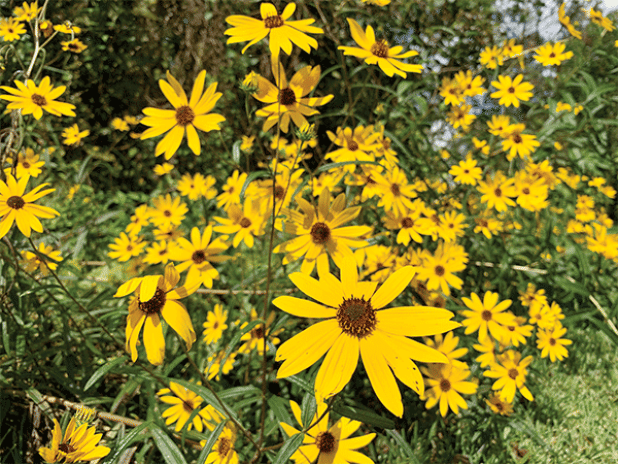
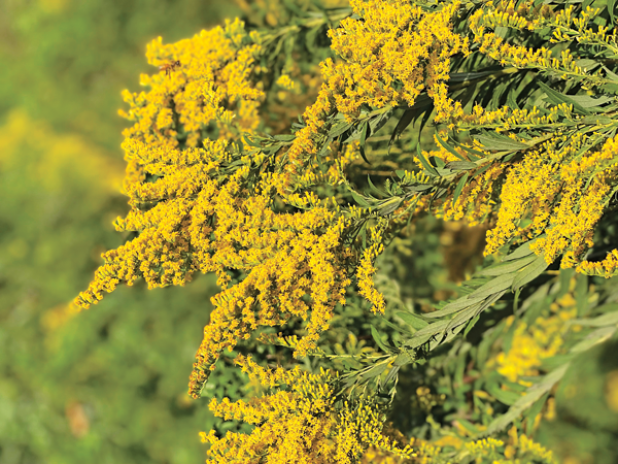
Goldenrod produces an abundance of gorgeous golden flowers. Photo by Heather Kirk-Ballard/LSU AgCenter

Goldenrod produces an abundance of gorgeous golden flowers. Photo by Heather Kirk-Ballard/LSU AgCenter

‘Tis the season for sneezing

If you are like me, you suffer from seasonal allergies — sneezing, headaches, itchy eyes and coughing, all due to pollen from local, native plants that bloom in autumn. Among many culprits, two of the most common are goldenrod and ragweed.
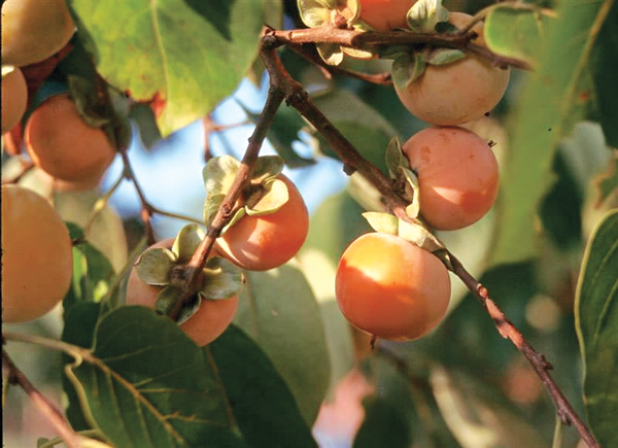
The native persimmon has small fruit with lots of seeds, making them difficult to eat, even when ripe. They are known to attract deer and other wildlife. (Photo by Bob Mirabello/LSU AgCenter)

The native persimmon has small fruit with lots of seeds, making them difficult to eat, even when ripe. They are known to attract deer and other wildlife. (Photo by Bob Mirabello/LSU AgCenter)

The persimmon: A bitter, then sweet autumn treat

If you happen to be taking a walk in the all-too-brief temperate weather of October in Louisiana and stumble upon a tree with wide leaves and beautiful, yellow-orange fruit, don’t think about picking one and taking a bite. You will be in for a bitter disappointment.
Fallen leaves can be raked and used as mulch in landscape beds and gardens or composted. (LSU AgCenter file photo)

Fallen leaves can be raked and used as mulch in landscape beds and gardens or composted. (LSU AgCenter file photo)

Leave the leaves and join the festivities

By Heather Kirk-Ballard LSU AgCenter horticulturist I say it each fall: This is an excellent time of year to work in the landscape. The weather is cooling, and the days are getting shorter.
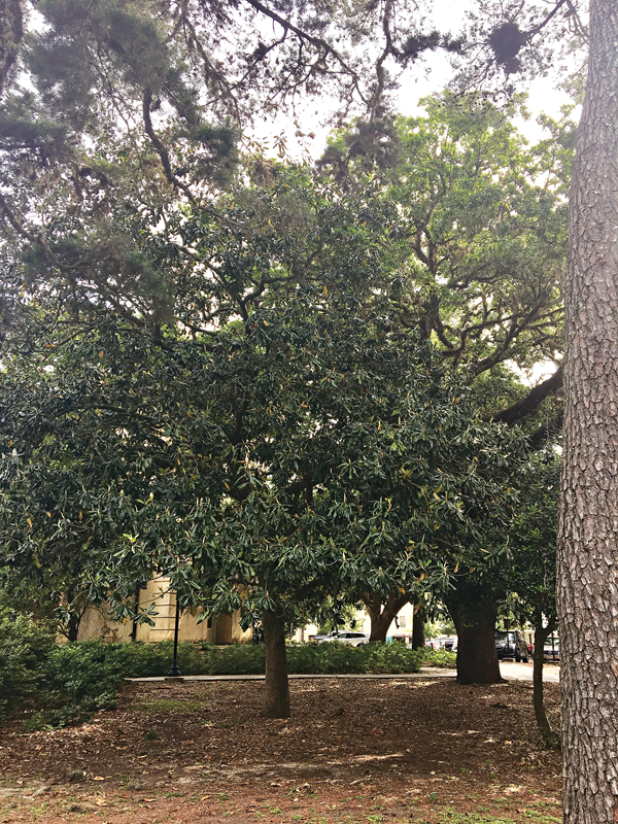
Southern magnolia is a native beauty resistant to strong winds. (Photo by Heather Kirk-Ballard/LSU AgCenter )

Southern magnolia is a native beauty resistant to strong winds. (Photo by Heather Kirk-Ballard/LSU AgCenter )

Plant more trees, please

Let’s talk about the weather. Even if you’re a climate change skeptic, you cannot deny that weather patterns have affected your life in some way in the past five to 10 years. Here in Louisiana, for example, many experienced unprecedented flooding in 2016.
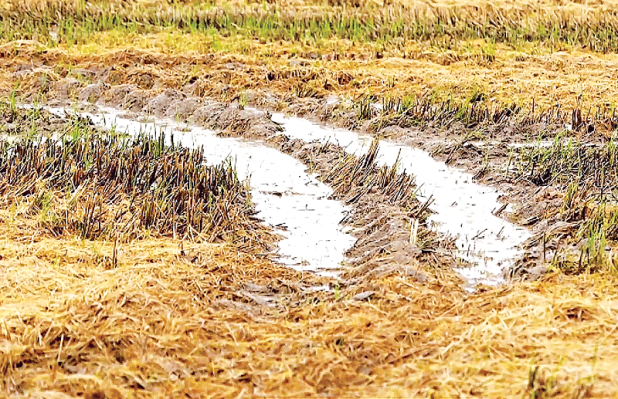
Rutted fields are seen throughout the Louisiana rice belt. (Photo by Craig Gautreaux/LSU AgCenter)

Rutted fields are seen throughout the Louisiana rice belt. (Photo by Craig Gautreaux/LSU AgCenter)

Rain slowed rice harvest

Louisiana rice farmers are certainly having a sense of deja vu as this year’s harvest comes to a close, as they’ve seen consistent, near-daily rainfall that has hampered their operations.

Rice season described as ‘frustrating’ and ‘tough’

“Frustrating” and “tough” are the two words most used to describe the 2022 rice season. “We started out good — a little wet — at planting, then we had a drought,” said Kane Webb, director of field services, USA Rice Federation. “And you see what we’ve been getting here lately.
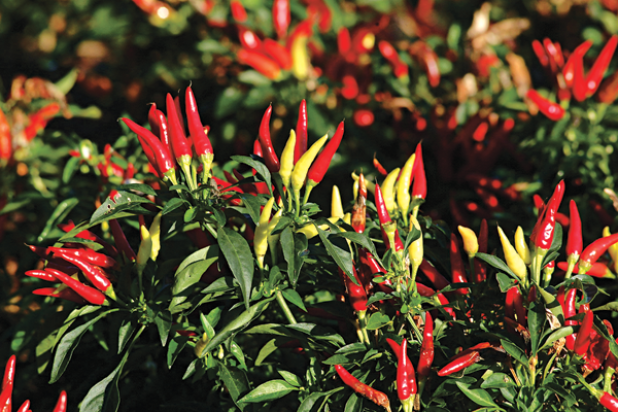
Ornamental pepper plants are the perfect way to both spruce up the late summer landscape and celebrate the transition into fall. (LSU AgCenter file photos)

Ornamental pepper plants are the perfect way to both spruce up the late summer landscape and celebrate the transition into fall. (LSU AgCenter file photos)

Plant ornamental peppers for spicy fall flair

The South has no reason for fall foliage envy. The traditional colors of autumn can be found in ornamental peppers — which can be planted into any sunny landscape to add spice and fall flair.
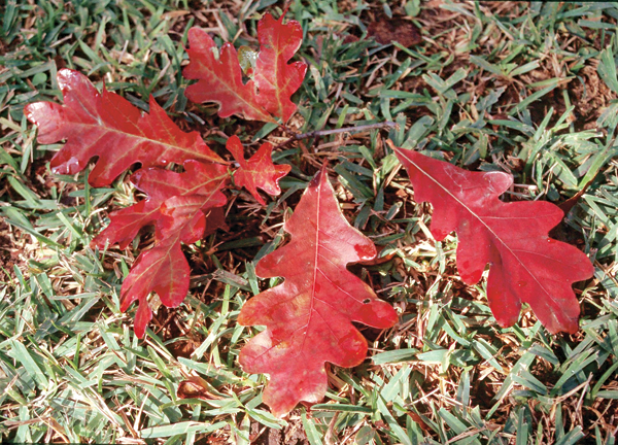
Leaves turn yellow, orange and red, then fall from the tree as if it were autumn. (Photos by Heather Kirk-Ballard/LSU AgCenter)

Leaves turn yellow, orange and red, then fall from the tree as if it were autumn. (Photos by Heather Kirk-Ballard/LSU AgCenter)

Spots and dots are signs of wet weather

It’s a sign of the times: spots and dots appearing before our very eyes, seemingly overnight. No, it’s not your vision failing you, and there’s no need to clean your glasses. We’re dealing with something that’s been lurking for the right time to show itself.
Swamp milkweed (A. incarnata) is an excellent native milkweed for monarch butterflies. (Photos by Heather Kirk-Ballard/LSU AgCenter)

Swamp milkweed (A. incarnata) is an excellent native milkweed for monarch butterflies. (Photos by Heather Kirk-Ballard/LSU AgCenter)

Monarch mayday: Send in the natives

The monarch butterfly has been listed as an endangered species by the International Union for Conservation of Nature on its Red List of Threatened Species.
Pomegranates produce hundreds of seeds encased in an edible membrane that produces a delicious juice. (LSU AgCenter file photo)

Pomegranates produce hundreds of seeds encased in an edible membrane that produces a delicious juice. (LSU AgCenter file photo)

Black-eyed peas and cabbage are not the only foods that bring luck

Pomegranates are unique fruits whose origins have been traced to Persia. Native to Iran through northern India, they are grown around the world today. The fruit is considered sacred and is believed to provide abundance, fertility and even luck.