Agriculture

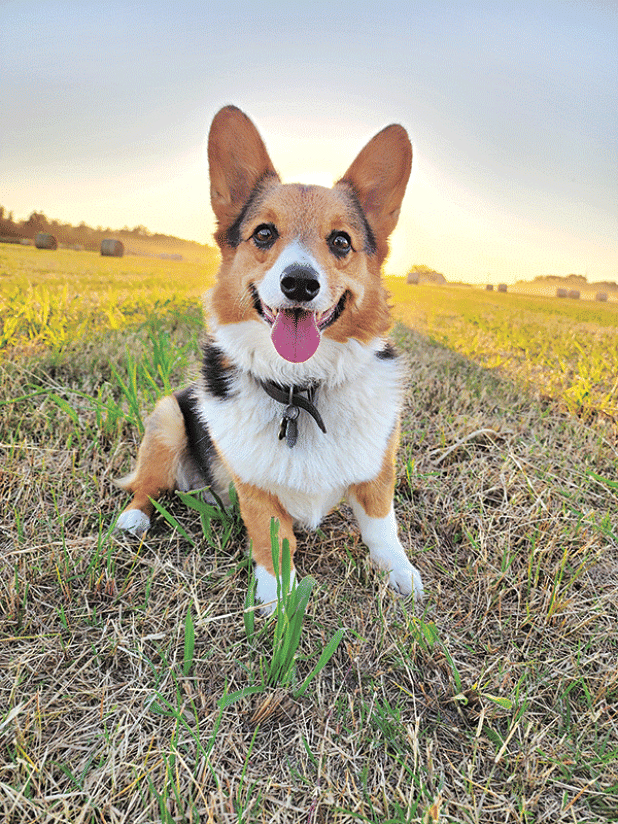
Case, a 4-year-old corgi from Vermilion Parish, is winner of the AFBF People’s Choice Pup social media contest. (Submitted photo)

Case, a 4-year-old corgi from Vermilion Parish, is winner of the AFBF People’s Choice Pup social media contest. (Submitted photo)

Vermilion Parish Corgi wins People’s Choice Pup at Farm Bureau Convention

It was the best Case scenario for one Louisiana farm dog at the American Farm Bureau Annual Convention. Case, a 4-year-old corgi from Vermilion Parish, is winner of the AFBF People’s Choice Pup social media contest.
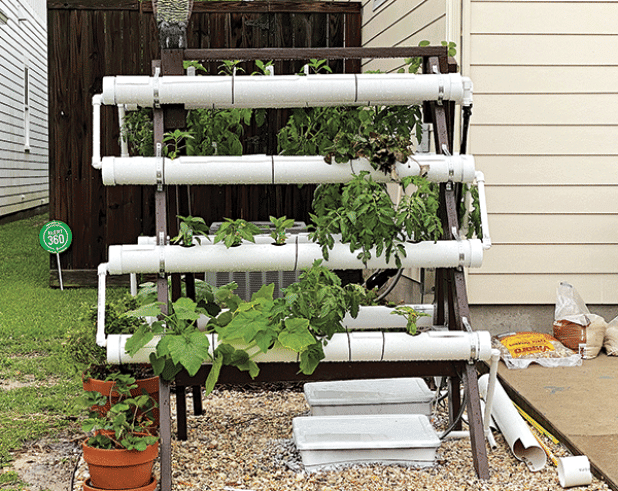
By Heather Kirk-Ballard  LSU AgCenter horticulturist  When gardeners think of micro gardens, they may think of micro greens — but micro gardening is so much more than that.   Shrinking lot sizes and growing urban sprawls are leaving less room for vegetation, and that raises a challenge for both urban and suburban gardeners. They will have to grow to meet these changes.   Micro gardening is a method of gardening that is ideal for those with limited or nontraditional spaces to plant and grow vegetables, fruit

By Heather Kirk-Ballard LSU AgCenter horticulturist When gardeners think of micro gardens, they may think of micro greens — but micro gardening is so much more than that. Shrinking lot sizes and growing urban sprawls are leaving less room for vegetation, and that raises a challenge for both urban and suburban gardeners. They will have to grow to meet these changes. Micro gardening is a method of gardening that is ideal for those with limited or nontraditional spaces to plant and grow vegetables, fruit

Smaller spaces call for micro gardens

When gardeners think of micro gardens, they may think of micro greens — but micro gardening is so much more than that. Shrinking lot sizes and growing urban sprawls are leaving less room for vegetation, and that raises a challenge for both urban and suburban gardeners.
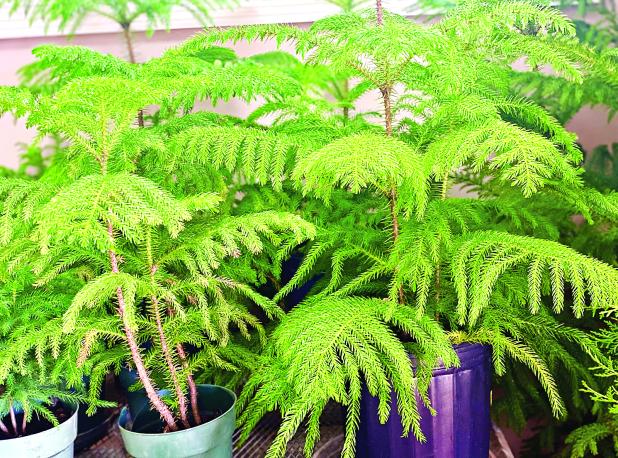
Norfolk Island pines can be found at many garden centers, florist shops and grocery stores this time of year. (Photo by Heather Kirk-Ballard/LSU AgCenter)

Norfolk Island pines can be found at many garden centers, florist shops and grocery stores this time of year. (Photo by Heather Kirk-Ballard/LSU AgCenter)

Island holiday year round

It can stay pretty warm here in Louisiana during the winter months, and with temperatures in the upper 80s this whole week, it can feel like island time while the rest of the country experiences cooler temperatures.
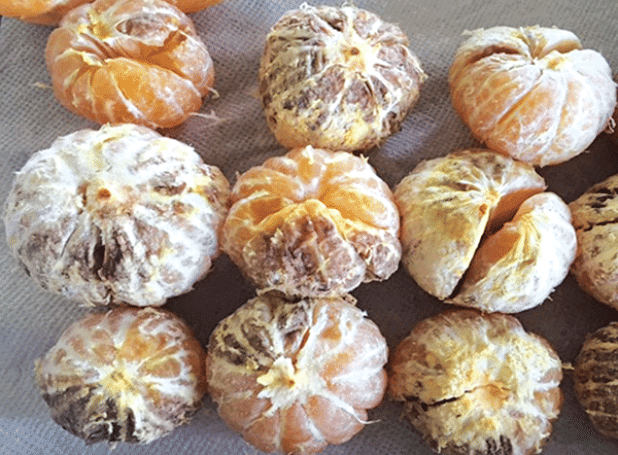
Internal dry rot of satsuma fruits. (Photos by Raj Singh/LSU AgCenter)

Internal dry rot of satsuma fruits. (Photos by Raj Singh/LSU AgCenter)

Bugs, late-blooming trees may affect citrus yields

Citrus is the most popular kind of fruit grown in Louisiana. This time of year, satsumas and other types of citrus are abundant — and delicious. Several biotic and abiotic stresses affect citrus yields, however, and may dishearten home gardeners when they cannot enjoy their harvest.
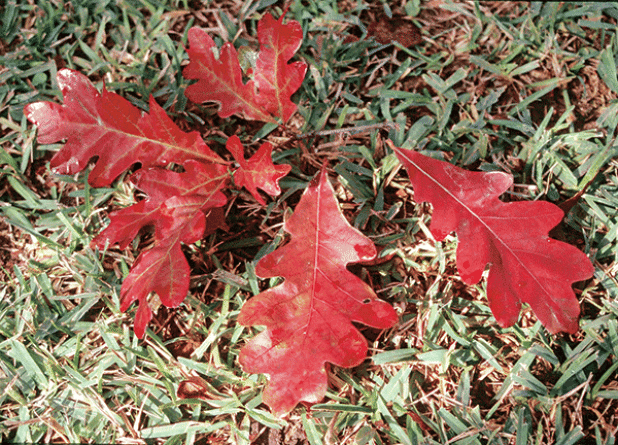
Fallen leaves provide shelter for many butterfly and moth species. (Photos by Heather Kirk-Ballard/LSU AgCenter)

Fallen leaves provide shelter for many butterfly and moth species. (Photos by Heather Kirk-Ballard/LSU AgCenter)

‘Leaf’ it to mulch to make your landscape better

The leaves are falling all over the state now. There are several things you can do with those leaves. One great way to use those leaves to your — and your plants’ — benefit is to use leaf litter as mulch.
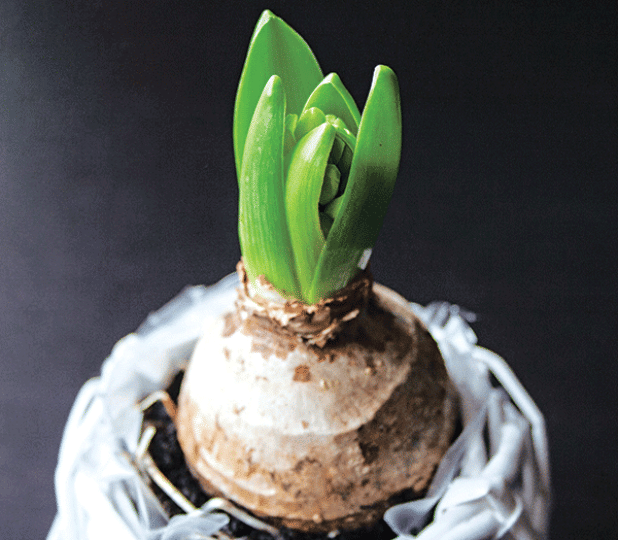
Bulbs can be forced by providing the environmental conditions to encourage growth. (LSU AgCenter file photo)

Bulbs can be forced by providing the environmental conditions to encourage growth. (LSU AgCenter file photo)

Forcing bulbs for indoor winter flowers

The late winter months may lack color in the landscape, but with proper planning and a little effort, you can create an early spring indoors or make a beautiful gift by forcing your own succession of hardy bulbs. Bulbs are perennial plants that overwinter as fleshy, underground structures.

Nomination deadline for Louisiana Ag Hall of Distinction nears approaching

The Louisiana Agriculture Hall of Distinction is still accepting nominations through Nov. 18 for its induction ceremony, which will be held March 2, 2023, in Baton Rouge. The nomination form can be found online at www.louisianaagriculturehallofdistinction.
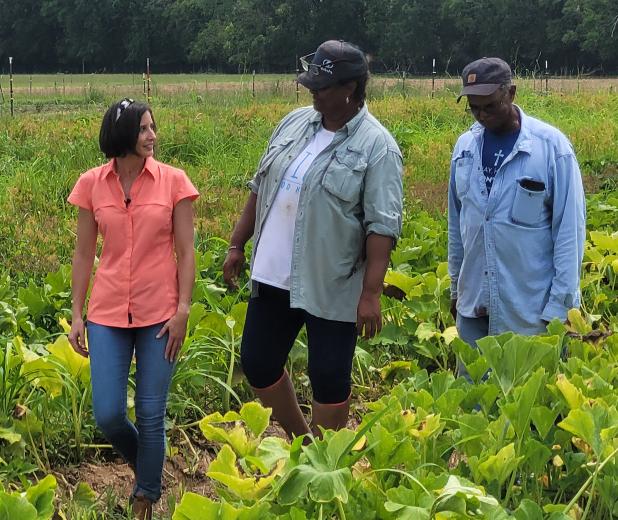
Crystal Besse, left, director of the LSU AgCenter Louisiana Farm to School Program, walks through a squash field with Opelousas farmers Betty and John Chenier. Photo provided by the Louisiana Farm to School Program

Crystal Besse, left, director of the LSU AgCenter Louisiana Farm to School Program, walks through a squash field with Opelousas farmers Betty and John Chenier. Photo provided by the Louisiana Farm to School Program

Winter squash is November’s ‘Louisiana Harvest of the Month’

Native Americans taught the Puritan settlers many things about life in America, including how to grow and prepare winter squash — a food they had never seen before but that would soon gain popularity and become a regular seasonal planting.
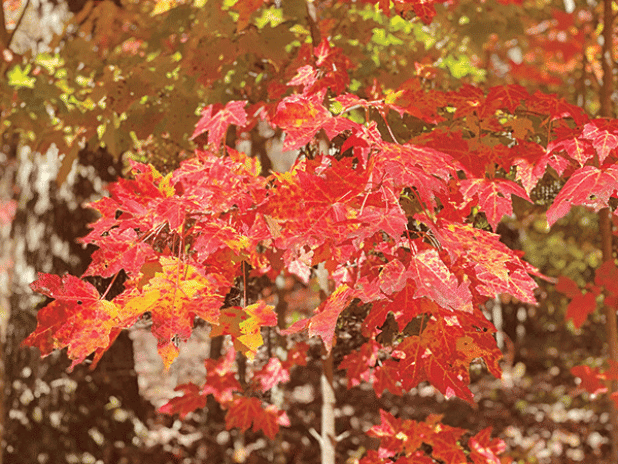
Anthocyanin pigments are responsible for purple and maroon colors of leaves in fall. (Photos by Heather Kirk-Ballard/LSU AgCenter)

Anthocyanin pigments are responsible for purple and maroon colors of leaves in fall. (Photos by Heather Kirk-Ballard/LSU AgCenter)

The science of fall foliage color change

Shorter, cooler days bring brilliant foliage color changes for many trees and shrubs in fall. This time of year can be very beautiful as green leaves give way to brilliant colors of gold, orange, maroon, red and yellow. The reason for this color change?
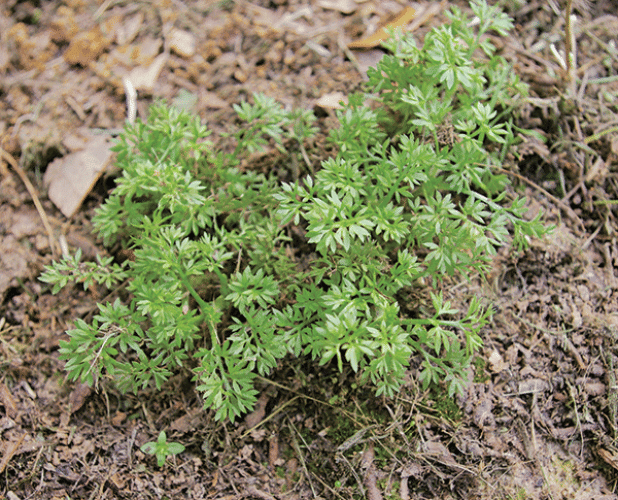
Stickers, also known as stickerweed, spurweed and burweed, germinate in lawns in the fall and produce painful stickers in the spring. (Photo by Ron Strahan/LSU AgCenter)

Stickers, also known as stickerweed, spurweed and burweed, germinate in lawns in the fall and produce painful stickers in the spring. (Photo by Ron Strahan/LSU AgCenter)

Stop stickerweed before it’s too late

Nothing spoils a nice barefooted walk through the lawn more than stickerweed. Also known as spurweed, stickers or burweed, seeds germinate in the fall and winter months in lawns, particularly where the turf is thin or patchy. When lawns go dormant in the winter, weed problems become evident.