Agriculture

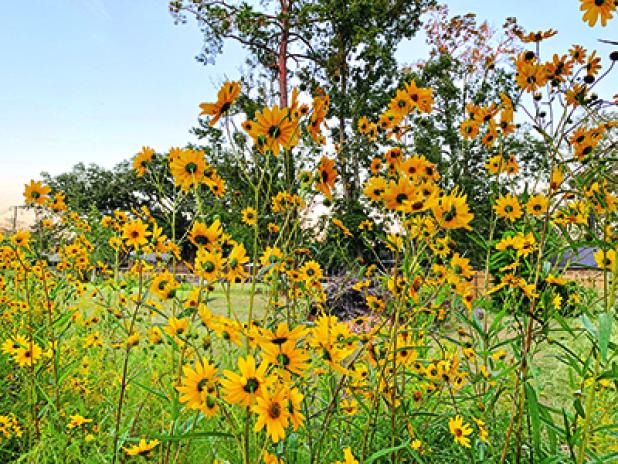
Wildflower meadows bring color, height and pollinators to the landscape. (Photo by Anna Ribbeck/LSU AgCenter)

Wildflower meadows bring color, height and pollinators to the landscape. (Photo by Anna Ribbeck/LSU AgCenter)

The grass isn’t always greener: The allure of alternative lawns

When early settlers migrated westward to establish themselves in North America, they introduced various elements to the world around them. The origins of American lawns can be attributed to landscape designers from England and France.

The magic of fall planting with native South Louisiana wildflowers

Fall is the perfect time to get your hands into the soil and sow some seeds of change in the garden. When it comes to choosing what to plant, native South Louisiana wildflowers are the star of the show.
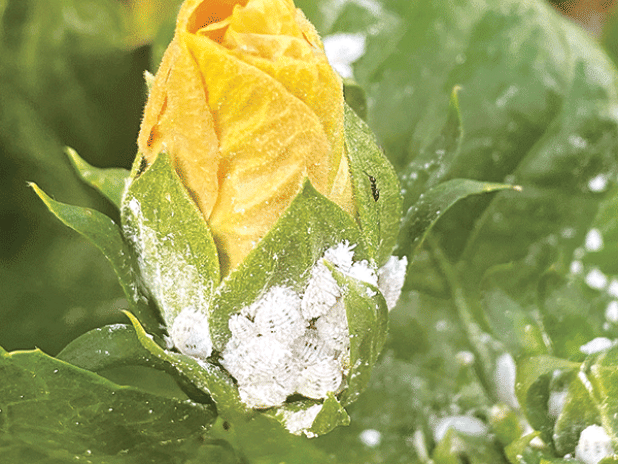
Mealybugs are often found on the leaves, stems and flower buds of your plants. (Photos by Heather Kirk-Ballard/LSU AgCenter)

Mealybugs are often found on the leaves, stems and flower buds of your plants. (Photos by Heather Kirk-Ballard/LSU AgCenter)

White stuff on plants could be mealybugs

If you’ve noticed the presence of white, fluffy, cotton-like formations on your plants, chances are you’ve encountered one of the most common garden pests: mealybugs.
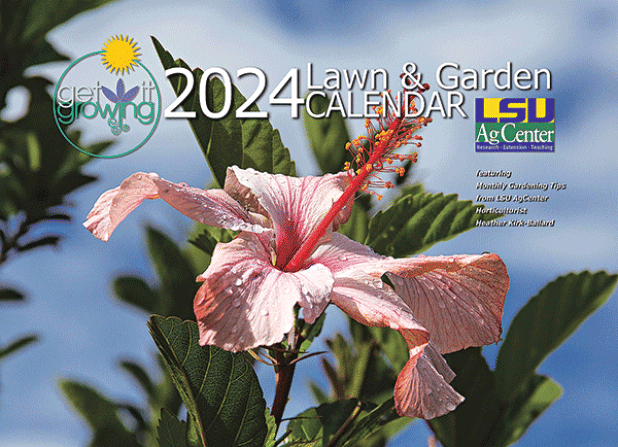
2024 Get It Growing Calendar cover. Photo by Claudia Husseneder

2024 Get It Growing Calendar cover. Photo by Claudia Husseneder

Get It Growing calendar prepares gardeners for 2024

This 2024 LSU AgCenter Get It Growing calendar will again supply garden enthusiasts with lots of horticulture information, gardening tips and beautiful pictures.
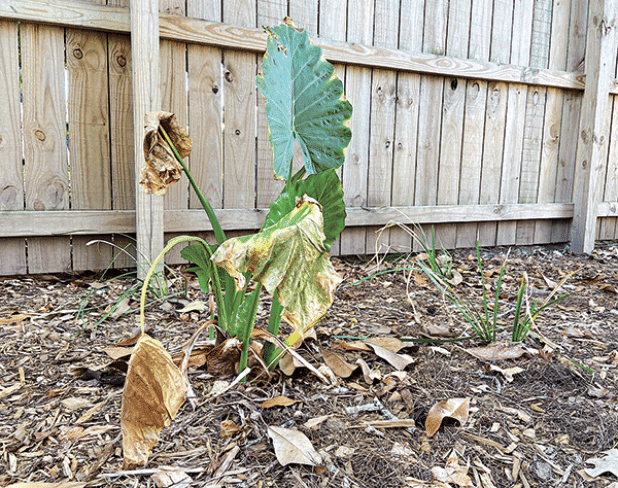
This summer’s drought has been tough on plants such as these elephant ears and Louisiana irises. There is now concern about salt intrusion in the water supply.

This summer’s drought has been tough on plants such as these elephant ears and Louisiana irises. There is now concern about salt intrusion in the water supply.

Growing concerns: The salty struggle in the garden

Persistent drought conditions in Louisiana are raising concerns among homeowners and gardeners statewide. Along the coast, a troubling development is saltwater intrusion.

Louisiana Agriculture Hall of Distinction accepting nominations

The Louisiana Agriculture Hall of Distinction is now accepting nominations for its annual induction ceremony, which will be held March 7 in Baton Rouge. The nomination form can be obtained online at www.louisianaagriculturehallofdistinction.com or through any parish LSU AgCenter office.

Hidden danger of drought

The loss of fine feeder roots is a hidden danger of drought. Feeder roots grow out of the thick woody tree roots. While woody roots grow down into the soil, feeder roots grow up toward the soil surface. Their main job is to absorb water, minerals, and oxygen.
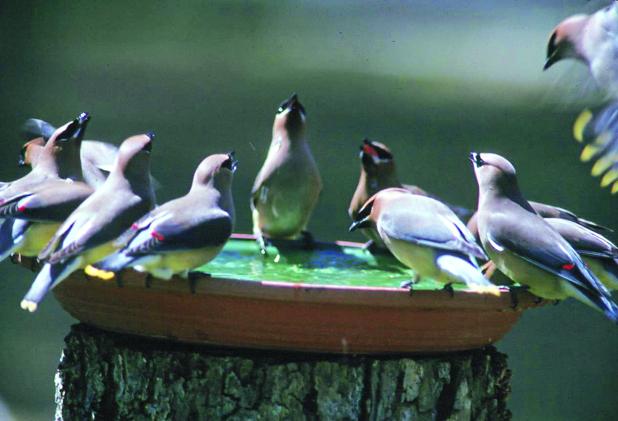
Properly cleaned bird baths provide healthy drinking water for birds. (LSU AgCenter file photo)

Properly cleaned bird baths provide healthy drinking water for birds. (LSU AgCenter file photo)

Taking care of our feathered friends

Gardeners are stewards of all things natural. When we garden and use environmentally friendly practices, we promote biodiversity, conserve resources and minimize harm to the Earth. We also can provide ecosystem services in our gardens. You may have read this term in my columns before.
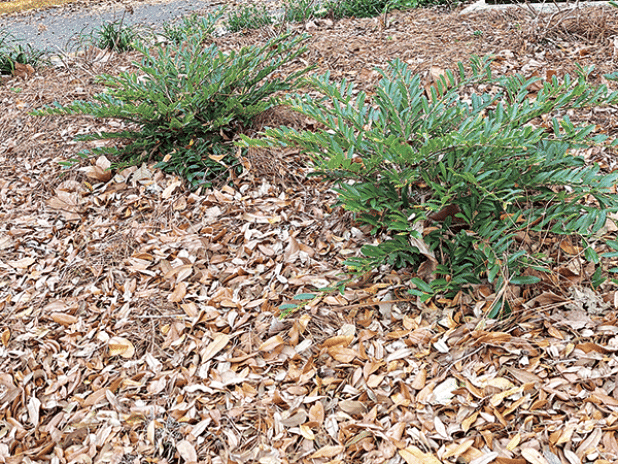
Fallen leaves are economical because they are free. They are an excellent organic option for landscape beds. (Photo by Heather Kirk-Ballard/LSU AgCenter)

Fallen leaves are economical because they are free. They are an excellent organic option for landscape beds. (Photo by Heather Kirk-Ballard/LSU AgCenter)

Combat extreme temperatures with mulch

This summer’s extended period of extreme heat and drought has wreaked havoc on all plants great and small. One gardening practice that can make a considerable difference in combating extreme temperatures is mulching. Mulch can provide several benefits to plants.

Unveiling the mystery of garden soil pH

Ever wondered why some plants in the garden thrive while others struggle? The answer might be hidden beneath the surface – in the secret of soil pH. Think of soil pH as a scale that measures how acidic or alkaline your soil is. The pH scale ranges from 0 to 14, with 7 being neutral.