Agriculture

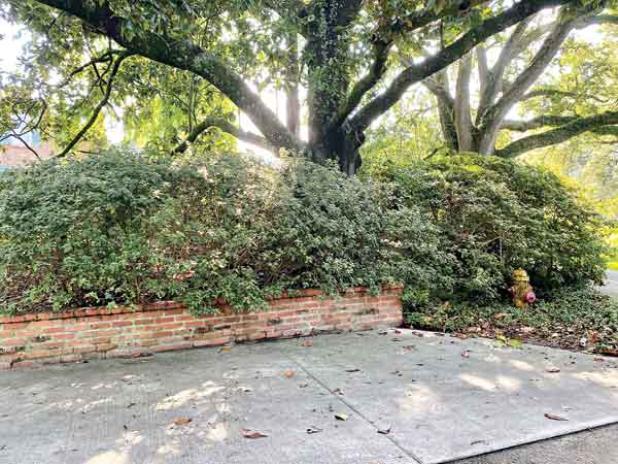
Hedges serve as a practical solution to create a boundary or to guide movement of people in a specific direction. (Photo by Heather Kirk-Ballard/LSU AgCenter)

Hedges serve as a practical solution to create a boundary or to guide movement of people in a specific direction. (Photo by Heather Kirk-Ballard/LSU AgCenter)

Good hedges make good neighbors

You may have heard the old proverb “good fences make good neighbors.” Robert Frost made the phrase popular in his poem “Mending Wall.” The debate may have begun there, but I say the same can be true of a good hedge.
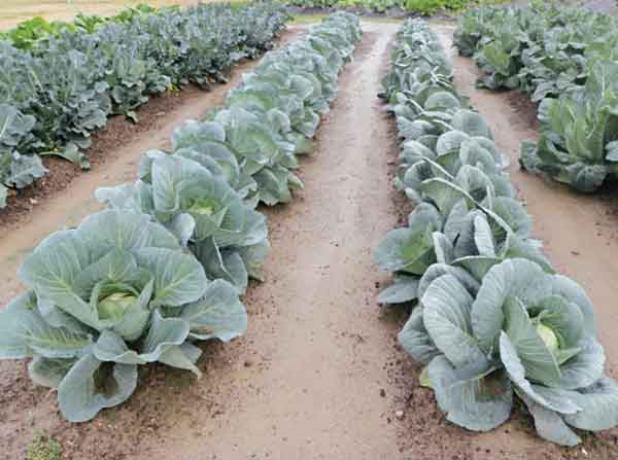
Cabbage is a vegetable in the brassica family that grows well in the fall and winter. (Photo by Kiki Fontenot/LSU AgCenter)

Cabbage is a vegetable in the brassica family that grows well in the fall and winter. (Photo by Kiki Fontenot/LSU AgCenter)

Get ready for fall, y’all

Although it doesn’t feel like it because it’s still so hot, it’s time to start thinking about your fall garden. Fall is my favorite time to grow vegetables because all my personal favorites thrive in the cooler weather of fall and winter.
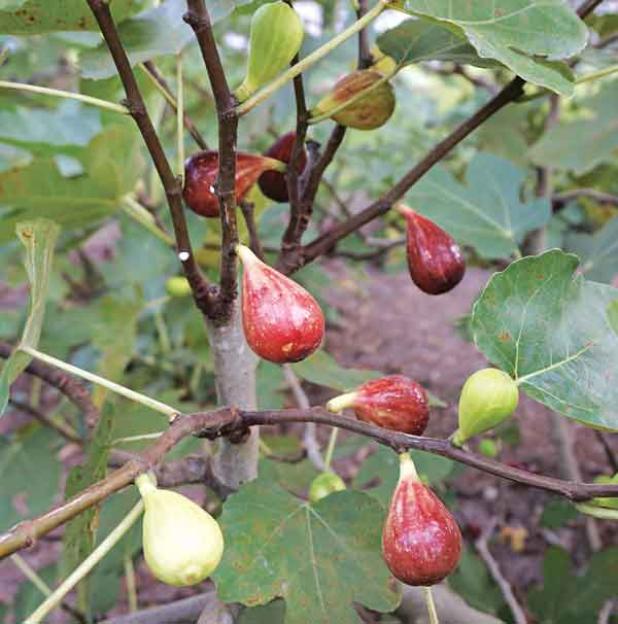
LSU Purple is probably the most recognizable of the LSU-bred varieties because of its dark purple, glossy hue and oblong shape. (Photo by Jason Stagg/LSU AgCenter)

LSU Purple is probably the most recognizable of the LSU-bred varieties because of its dark purple, glossy hue and oblong shape. (Photo by Jason Stagg/LSU AgCenter)

Are figs your jam? AgCenter varieties provide a sweet treat

Purple, Gold, Tiger and Champagne may sound like a brief recounting of LSU’s postgame national championship locker room celebration, but they are also four types of figs developed by the LSU AgCenter.
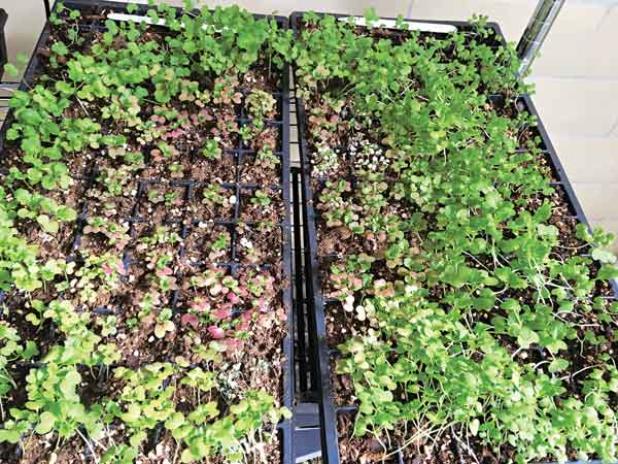
Assorted microgreens grow in trays. Photo by Kaylee Deynzer/ LSU AgCenter

Assorted microgreens grow in trays. Photo by Kaylee Deynzer/ LSU AgCenter

Microgreens provide homegrown nutrition without the garden

Tiny edible vegetables known as microgreens have been rising in popularity with Americans searching for ways to add nutrition to home-cooked dishes. As many found themselves seeking do-it-yourself projects during the 2020 COVID-19 outbreak, microgreens became a favorite miniature gardening project.
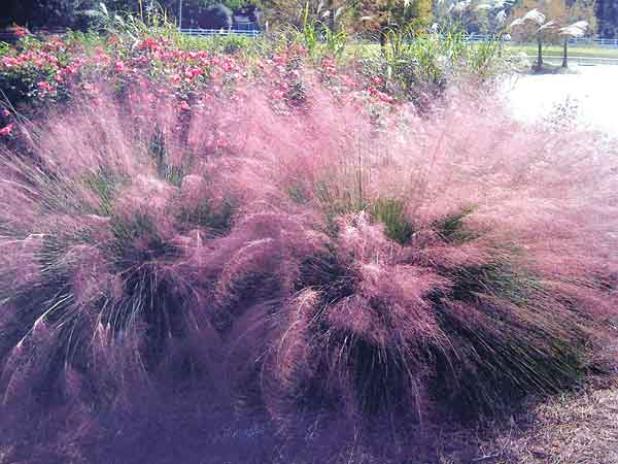
Pink muhly grass. (LSU AgCenter file photo by Allen Owings)

Pink muhly grass. (LSU AgCenter file photo by Allen Owings)

Muhly grass adds class, texture to landscapes

Ornamental grasses are some of the best plant selections for an ornamental focus for the landscape, but they are often underutilized. In addition to being an excellent choice for their aesthetic appeal, ornamental grasses are great for wildlife, especially birds.
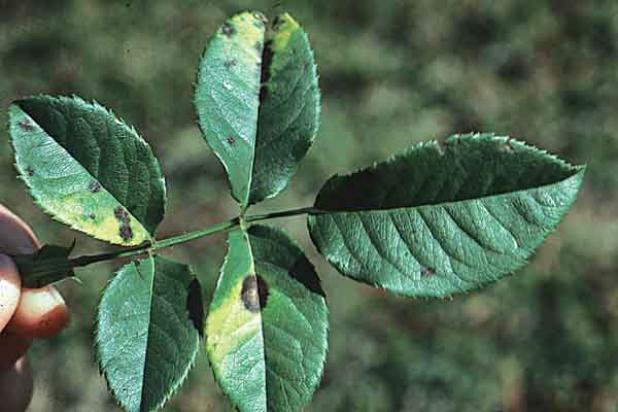
If the plants are showing signs of black spot or mildew, be sure to rinse your pruners in 10% bleach solution then in water before moving onto healthy shrubs to prevent the spreading of any disease. (Photo by Heather Kirk-Ballard/LSU AgCenter)

If the plants are showing signs of black spot or mildew, be sure to rinse your pruners in 10% bleach solution then in water before moving onto healthy shrubs to prevent the spreading of any disease. (Photo by Heather Kirk-Ballard/LSU AgCenter)

What to do in the garden in August

The heat is turned up and the rain is unrelenting. What can you do this month in the garden? As we look forward to cooler fall weather there are things to do to prepare for the fall and still time to tackle summertime gardening tasks.
Armyworms feed on turfgrasses, causing large brown patches in lawns. (Photo by David Sexton/LSU AgCenter)

Armyworms feed on turfgrasses, causing large brown patches in lawns. (Photo by David Sexton/LSU AgCenter)

Send in the troops: Armyworms are here

Sod webworms were biblical last summer. Not to be outdone, the armyworm troops have now set up camp. They are out in full force, causing headaches for many homeowners. If you’ve noticed large brown patches in your lawn, you may have armyworm damage.
Iberia Parish sugarcane grower Taylor Blanchard displays a no-till fertilizer implement that applies fertilizer to the top of the rows to allow for more direct applications with less soil disturbance during a field day focused on sugarcane at the LSU AgCenter Iberia Research Station on July 27. (Photo by Derek Albert/LSU AgCenter)

Iberia Parish sugarcane grower Taylor Blanchard displays a no-till fertilizer implement that applies fertilizer to the top of the rows to allow for more direct applications with less soil disturbance during a field day focused on sugarcane at the LSU AgCenter Iberia Research Station on July 27. (Photo by Derek Albert/LSU AgCenter)

Wet weather, new varieties highlight discussions at Acadiana field days

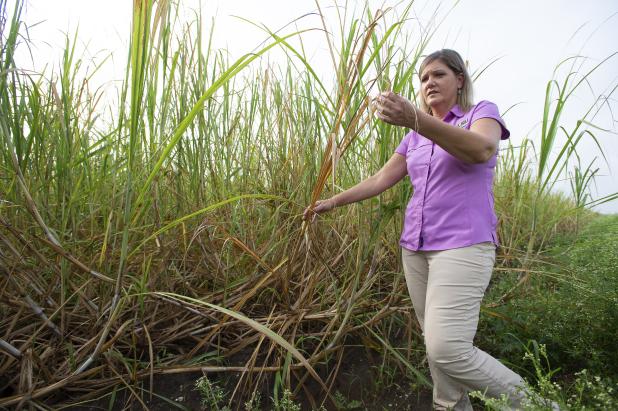
The story of the past two years in Louisiana sugarcane production has been a tale of two very different seasons for farmers.
LSU AgCenter regional livestock specialist Ashley Edwards

LSU AgCenter regional livestock specialist Ashley Edwards

Rolling field day brings ag agencies together

Commodity field days are a normal summertime occurrence for LSU AgCenter agriculture agents and specialists, but a field day without growers is just different.