Agriculture

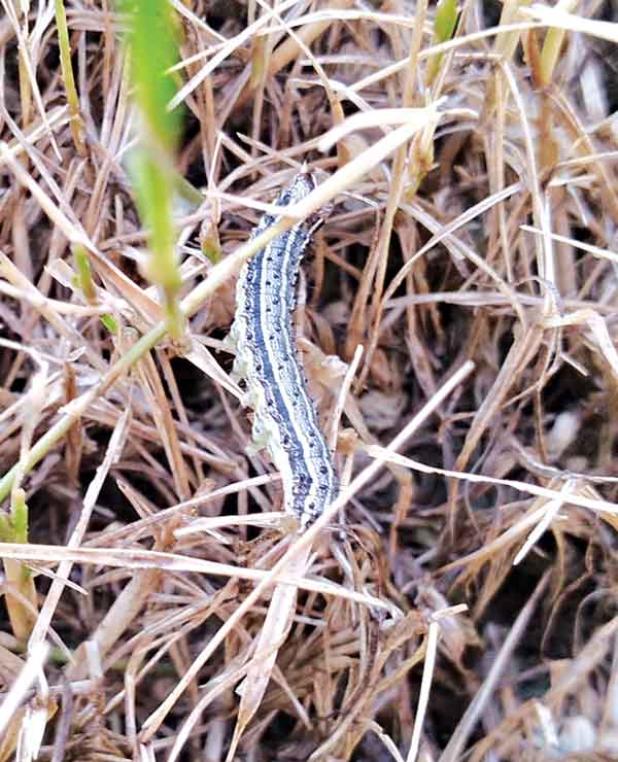
Armyworms feed on turfgrasses, causing large brown patches in lawns. (Photo by David Sexton/LSU AgCenter)

Armyworms feed on turfgrasses, causing large brown patches in lawns. (Photo by David Sexton/LSU AgCenter)

Send in the troops: Armyworms are here

Sod webworms were biblical last summer. Not to be outdone, the armyworm troops have now set up camp. They are out in full force, causing headaches for many homeowners. If you’ve noticed large brown patches in your lawn, you may have armyworm damage.
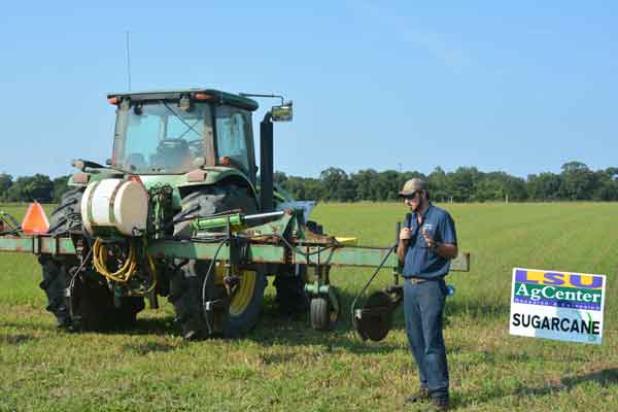
Iberia Parish sugarcane grower Taylor Blanchard displays a no-till fertilizer implement that applies fertilizer to the top of the rows to allow for more direct applications with less soil disturbance during a field day focused on sugarcane at the LSU AgCenter Iberia Research Station on July 27. (Photo by Derek Albert/LSU AgCenter)

Iberia Parish sugarcane grower Taylor Blanchard displays a no-till fertilizer implement that applies fertilizer to the top of the rows to allow for more direct applications with less soil disturbance during a field day focused on sugarcane at the LSU AgCenter Iberia Research Station on July 27. (Photo by Derek Albert/LSU AgCenter)

Wet weather, new varieties highlight discussions at Acadiana field days

The story of the past two years in Louisiana sugarcane production has been a tale of two very different seasons for farmers.
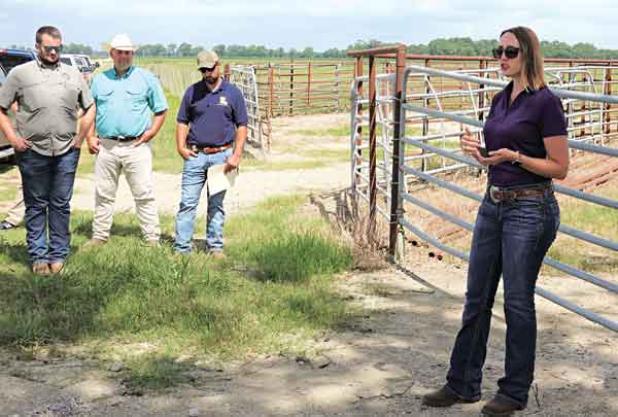
LSU AgCenter regional livestock specialist Ashley Edwards

LSU AgCenter regional livestock specialist Ashley Edwards

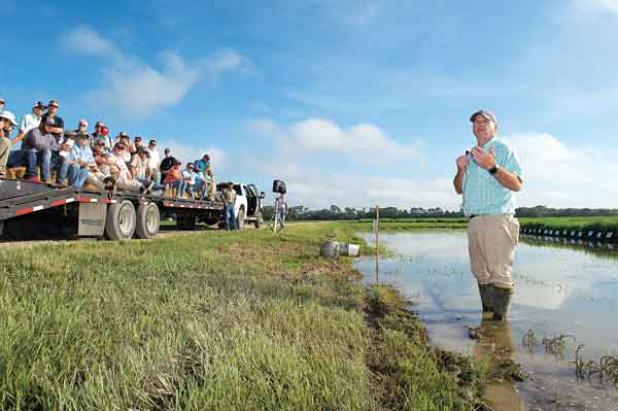
Rolling field day brings ag agencies together

Commodity field days are a normal summertime occurrence for LSU AgCenter agriculture agents and specialists, but a field day without growers is just different.
LSU President William F. Tate IV attended the sugarcane field day.

LSU President William F. Tate IV attended the sugarcane field day.

In-person sugarcane field day returns with new varieties, more

By V. Todd Miller vtmiller@agcenter.lsu.edu ST. GABRIEL — Two newly released sugarcane varieties took center stage at the LSU AgCenter Sugar Research Station’s first live field day since 2019 after the coronavirus pandemic forced a virtual version last year.
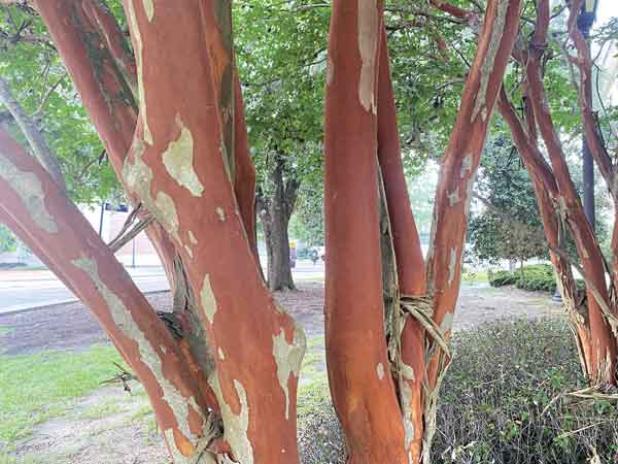
Exfoliating bark on crape myrtles is one of the great focal points of this plant. (Photo by Heather Kirk-Ballard  LSU AgCenter)

Exfoliating bark on crape myrtles is one of the great focal points of this plant. (Photo by Heather Kirk-Ballard LSU AgCenter)

Your crape myrtle questions answered

There’s a lot going on with crape myrtles this summer. I’ve gotten quite a few calls about these highly prized ornamental trees of the South. With all of the rain that we have had over the past month, we have already surpassed our annual average rainfall and we are only halfway through the year.
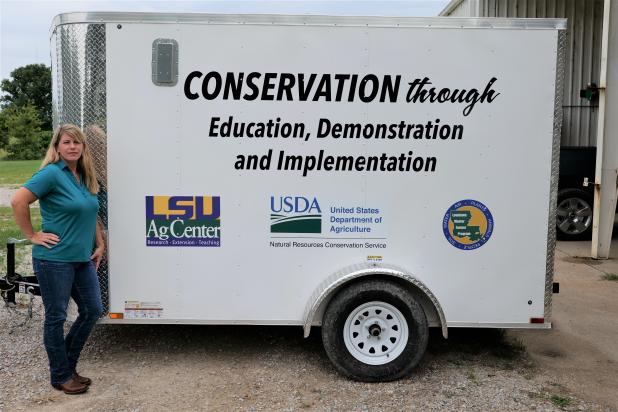
Donna Gentry, Master Farmer program coordinator

Donna Gentry, Master Farmer program coordinator

Master Farmer program celebrating 20 years

The Louisiana Master Farmer Program is celebrating 20 years of existence, and the program is getting a new “toolbox” that will help spread the message of conservation and environmental stewardship.
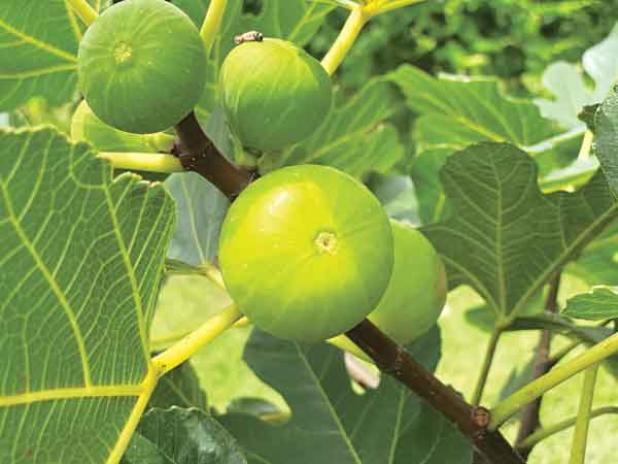
LSU Gold fig

LSU Gold fig

Getting figgy with it

It’s fig season in Louisiana! This year turned out an excellent crop here on LSU’s main campus. Figs (Ficus carica) are native to the Middle East and Western Asia but have become naturalized here in North America.
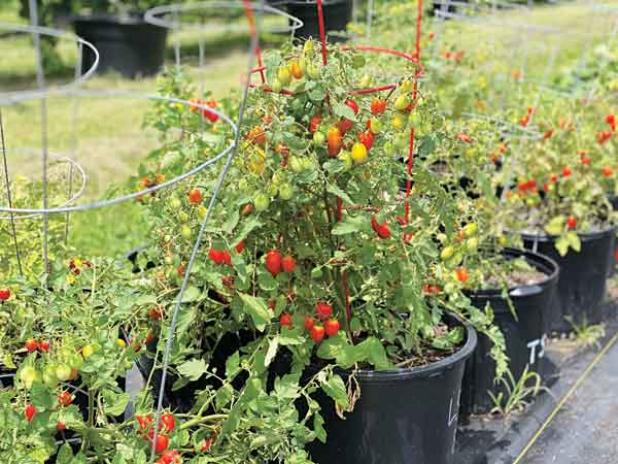
Containers

Containers

Beat the excess rain with container-grown vegetables

With the historic rains this spring and summer, we’ve doubled — and in some cases tripled — the average for several places in Louisiana. It is no wonder some of our plants, yards and gardens are suffering. We’ve already reached 78% of the annual amount of rain, with another half a year to go.
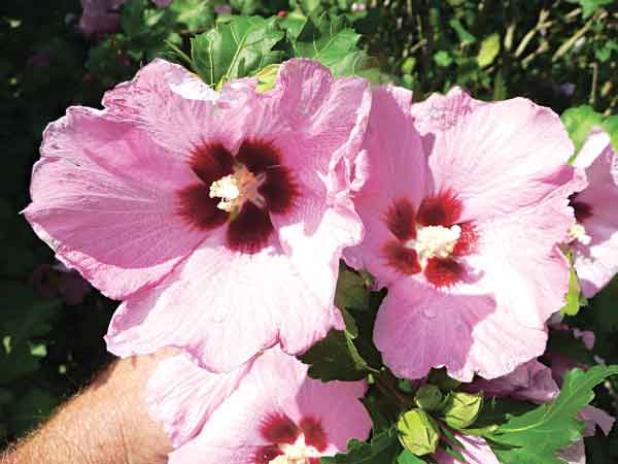
Aphrodite althea

Aphrodite althea

Live each day like the hibiscus

With several hundred types of hibiscus, one could write a book on this plant alone — and many have done so. The name hibiscus gets its origins from the ancient Greek word “hibiskos,” which means marsh mallow or white mallow.