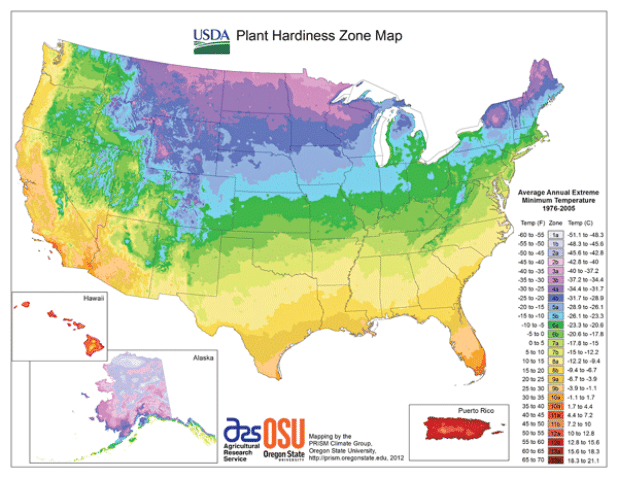
USDA hardiness zones maps are a useful tool for gardeners, dividing the country into climatic zones that can help determine what plants will perform best where. (Graphic by the U.S. Department of Agriculture)
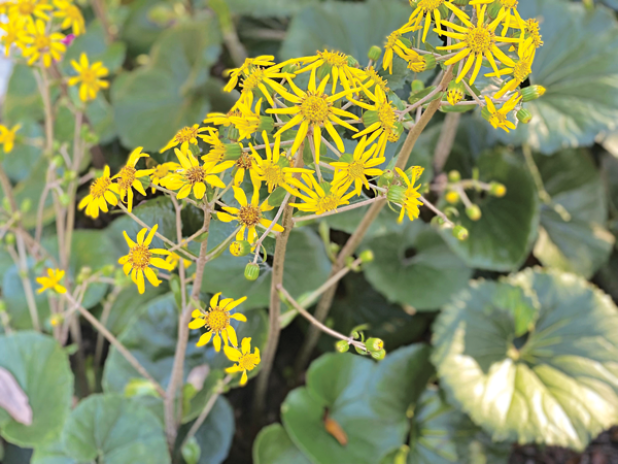
Bright yellow flower clusters on long stems make the flowers of ligularia an excellent cut flower plant. (Photos by Heather Kirk-Ballard/LSU AgCenter)
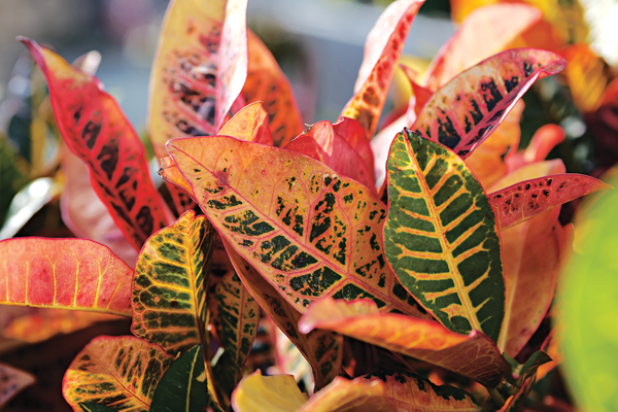
Crotons sport gorgeous colors of fall such as yellow, red, orange and green. (Photo by Randy LaBauve/LSU AgCenter)
By Heather Kirk-Ballard LSU AgCenter horticulturist There are those who say you cannot force beauty — but I beg to differ. There are many beautiful bulbs out there that we can encourage to come out of dormancy by manipulating their environment, coaxing them to share their beauty even before they are naturally ready. Spring-flowering bulbs can be tricked, or “forced,” into blooming indoors. The term forcing refers to the act of tricking bulbs into believing that it’s time to bloom. This can be done both i
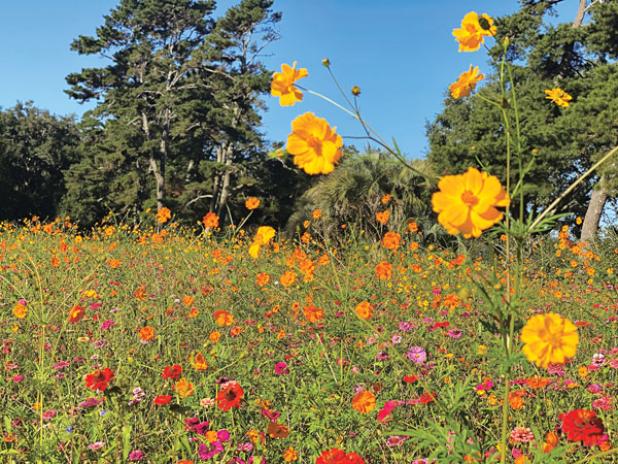
Pollinators love cosmos. They attract bees, butterflies, hummingbirds and many other types of pollinators. (Photos by Heather Kirk-Ballard/LSU AgCenter)
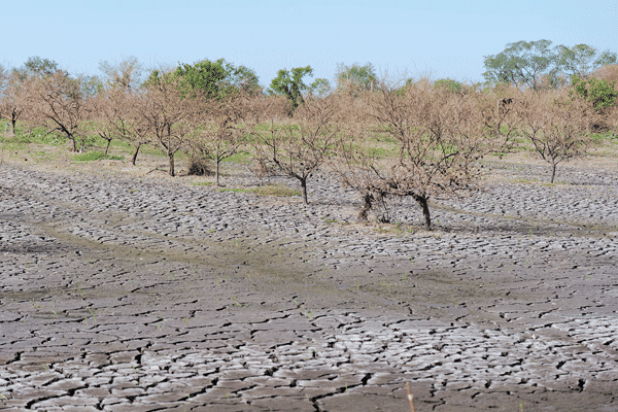
Citrus trees at the Becnel’s family orchard were killed by a 10-foot storm surge brought by Hurricane Ida. Ben Becnel Jr. estimates that nearly 2,000 citrus trees were destroyed by the storm and 75% of his fruit was lost. (Photos by Craig Gautreaux/LSU AgCenter)
Dr. Anna Paltseva examines soil samples in UL Lafayette’s Delta Urban Soils Laboratory. Paltseva, an assistant professor of environmental science, is the lab’s director. (Photo by Doug Dugas / University of Louisiana at Lafayette)
Strawberries are typically grown on plastic or with a thick layer of pine straw to protect plants from strawberries sitting on the soil and rotting. (Photos by Kiki Fontenot/LSU AgCenter)